
As a frequent manga reader, reading over 400 different mangas,  ,you can say I have a strong opinion on manga. Naturally when I found out we were reading a manga in class, I was ecstatic. I take many factors into consideration… whether it be the art, story, characters, or length of the novel. If one of these is off, then I will want to drop a manga. Often without a compelling story but beautiful art, it gets boring. If the art is ugly but the story is good, I can sometimes pull through- but often I just drop it. Most of all, if the story is very long, it can be overwhelming and hard to start. Luckily for me, Monster is the perfect mix of all of them.
Often, the first chapter can be a make or break for my personal interest.
To get this out of the way first, the art. The art is a huge part of novels / graphic novels in general. If the art isn’t good, 8/10 times I’m not reading your story. I was worried, because first impressions are very important to me, and Monster being an older manga, I already have a bias against older style manga. Boy was I proved wrong. One of the first color images we see if a red image of Dr. Tenma, just like it is shown on the front of the novel. Tenma is a very handsome man and Naoki Urasawa showed that well. But there is only one person more handsome than Tenma, and that’s Johan. You look at Johan and wonder how he could be this psychopathic murderer, he looks like a doll. That is very contrary to the other evil characters in this novel, like the director or Eva, who have a menacing look to them right off the bat. You can tell they’re up to no good, just from the art alone. That brings the first factor of why this story is so compelling into play, with Johan being so stunning you would never believe he is a villainous murderer. That factor is compelling itself.

Most importantly, the story. Just wow. The first chapter really compels you to want to know what happens next, Tenma is a star brain surgeon, he’s saving lives, getting married to the director’s daughter, and that’s when we find a true dilema in Tenma’s head. As a doctor, saving lives are important equally to the rest, but his fiance, Eva, says some lives are worth more than others. That is where the problem starts, Tenma is at a crossroad where he has to choose what life to save, the mayor; or a young boy who was shot in the head. Trying to set his morals straight, he successfully saves the life of the young boy. That is all in chapter 1. If I wasn’t reading this in class and was on my own, I would certainly keep reading. It starts off with this psychological vibe strong, and it only gets stronger throughout the first novel when we find out Johan is a murderer, and we wrap our head around these meticulously step by step evil plans we just sit and think to ourselves- “HOW IS THAT EVEN POSSIBLE?” and- “DID THAT REALLY JUST HAPPEN?!”. I was often found gasping to myself on my own, because of how thrilling the plot was. That first murder scene, 9 years after Johan escaped the hospital, where we see Junkers lying on the ground begging for mercy, it’s the first time we see the true evil in Johan.
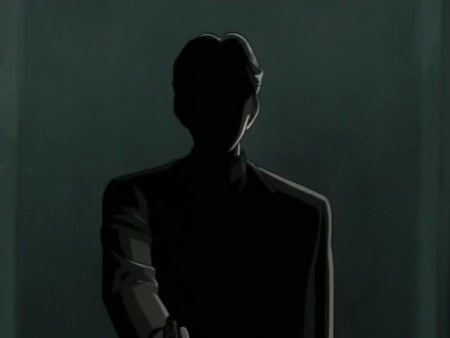
The characters themselves also make you want to keep reading, and see what might happen to them. The story is mostly centered around Dr. Tenma and his mission to kill Johan, and we meet many other side characters along the way, spiralling the plot to be even thicker. Tenma is interesting himself, we wonder why is he chasing Johan, why did he just quit his job to chase after a monster disguised as a human, all these questions to keep on reading and try to figure out why. We only breach the surface of Johan’s madness in volume one, but after reading volume one you would want to keep going and see how crazy this man gets. Nina, Johan’s sister and her storyline being introduced, was so exciting to see unfold. I also believe that people have a fascination for killers. Think about how there is a Ted Bundy documentary on Netflix. People who aren’t psychopaths want to comprehend and want a peek into the mind of a killer, because who knows what goes on inside their head? I think the same applies for Johan, because he’s a beautiful killer, we will never know what goes on inside someone’s head, and trying to figure out / see where he takes it is interesting itself. See, “Why is Ted Bundy Suddenly Everywhere?”


One last factor I think is how uncommon the plot is, in all my 400+ different mangas I’ve read, I’ve never seen a story like this. I believe this is what inspired the horror / psychological mangas in years to come. A surgeon who saves the life of a murder, tries to kill the murderer and follows him around trying to find him. It’s crazy!
Already as a reader, if I was on my own, I would start checking off my list. Is the art good? Yes! Is the story good? Amazing! Are the characters compelling? Oh boy they are. So lastly, I ask myself, “Well just how long is this story?” I ask myself- “What am I about to get myself into?” As I do my research, I found out monster has 18 volumes, and 162 chapters. If I was going to be into this, I was in it for the long run. I found myself binge reading many many weekends, and I finished. I successfully finished all 162 chapters of Monster. So the question still remains, what makes the story so compelling? After analyzing, I can 100% say it is a fantastic read for anyone, not even a manga junkie like myself. If it wasn’t a compelling story, I wouldn’t have spent over 10 collective hours reading 162 chapters by myself. After the first volume, it only gets better and better from there.


 Mad's Rad Reviews